

By
Simon Hazeldine
There is a dangerous myth that still infects too many sales teams and negotiators: that being “reasonable” is the key to success. Be pleasant. Be cooperative. Keep things comfortable.
It sounds professional, but it is a trap.
Because the truth is this: comfort rarely creates breakthrough results.
Elite negotiators understand that the most valuable outcomes live right at the edge, the point where risk, creativity, and courage meet. That’s where real value is created. And if you want to win bigger, protect margin, and build long-term trust, you have to learn to dance confidently in that space.
Playing It Safe Is Riskier Than You Think
Many negotiators pride themselves on being easy to deal with. They give ground early to “build goodwill.” They rush to meet in the middle to “keep the relationship intact.” They avoid healthy tension because it feels uncomfortable.
But here’s what really happens when you play it safe:
You leave value on the table. The other side quickly learns that small pushes make you concede. You teach them your weakness.
You create false harmony. Superficial agreement hides the fact that both sides probably walked away unsatisfied
You damage respect. Professional buyers don’t admire weakness. They respect clarity, conviction, and courage.
Great negotiation is not about being aggressive. It’s about having the mental toughness to stay at the edge of tension long enough for both parties to discover what’s truly possible.
The Bare Knuckle Mindset: Pressure Is Not The Enemy
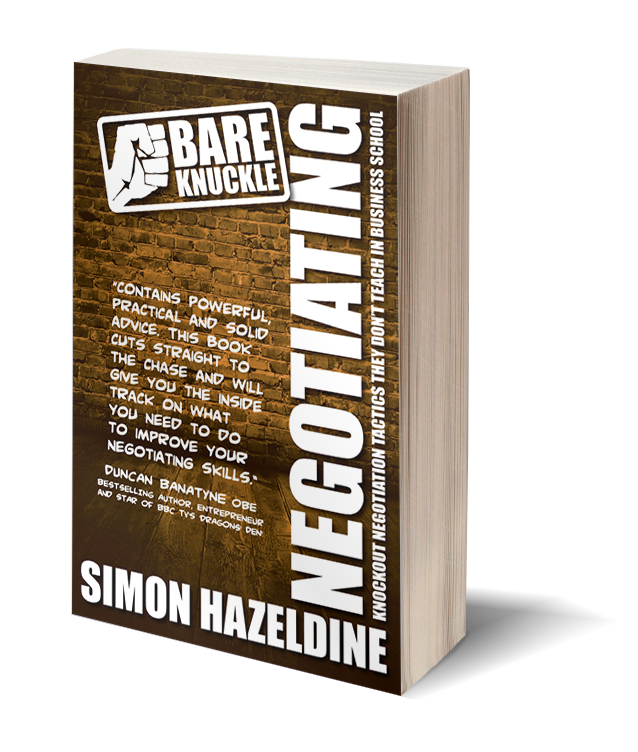
In my second book Bare Knuckle Negotiating, I wrote that negotiation is “the art of getting what you want without losing your cool.” Pressure is not the enemy. Panic is.
The best negotiators know that tension is not a sign something has gone wrong. It’s a signal that something important is happening. That’s the exact moment when amateurs retreat and professionals lean in.
Think about it like physical training. Muscles grow when they are challenged. Negotiations grow in value when both sides are stretched.
To build that “bare knuckle” composure:
- Prepare your walk-away point. If you know your limits in advance, you can stay calm when emotions spike.
- Expect resistance. It’s not conflict, it’s data. The other side is revealing what matters most to them.
- Manage your physiology. Slow your breathing, control your tone, and stay grounded. The calmest person in the room controls the room.
Elite negotiators don’t avoid pressure. They use it.
Case Study 1: The Client Who Said “We Have No Budget”
A senior account manager in the construction industry was told by a long-term client that budgets were frozen. The client asked for a 15% discount “just to keep the partnership going.”
Instead of caving, the account manager applied edge thinking.
He calmly acknowledged the request, then reframed the discussion:
“I understand the pressure on budgets. Let’s explore what we can adjust without compromising project quality. If we can phase the rollout or optimise logistics, we might both get what we need.”
The result? They jointly redesigned the implementation schedule, saving cost without touching price. The client got relief. The supplier protected margin.
That outcome was only possible because he resisted the instinct to fold.
Case Study 2: The Buyer Who Tested Confidence
A tech sales team was pitching a multi-year software agreement. Late in the process, procurement suddenly demanded a 10% price cut. The sales director replied:
“I can see why you’re asking, but let’s focus on the total value we’re delivering. If we remove that 10%, we’ll have to scale back the analytics support and success resources that underpin your outcomes. Would that trade-off make sense for you?”
The buyer paused, recalculated, and agreed to the original terms. Why? Because confidence creates certainty. When you stay composed at the edge, others sense it, and often retreat first.
The Science Behind Negotiating at the Edge
Neuroscience tells us that the brain perceives negotiation tension as a potential threat. When we feel challenged, the amygdala fires up, releasing stress hormones that push us toward fight, flight, or freeze.
The secret is self-regulation. Top negotiators train themselves to stay in control under pressure. They manage their state so they can stay strategic instead of reactive.
This ability not only improves decision-making, it also projects authority. The human brain unconsciously mirrors calm leaders. When you regulate your emotions, you regulate the room.
Moving from “Be Reasonable” to “Be Resourceful”
Playing it safe is about compliance. Negotiating at the edge is about creativity.
High performers use the pressure zone to uncover options both sides couldn’t see before. They replace concessions with trades, and they frame requests as opportunities to add value.
When you find yourself tempted to yield early, ask three questions:
- What’s driving their request? Price may be the symptom, but the real issue might be risk, timing, or internal politics.
- What can I trade instead of concede? If they need cost relief, can you adjust scope, payment terms, or delivery sequence?
- What value am I protecting by saying no? Sometimes “no” signals professionalism and confidence, both of which build trust.
Remember: collaboration is not the same as capitulation.
Leadership at the Edge
If you lead a sales team, your behaviour sets the tone. When your people see you flinch at tension, they learn to retreat. When they see you stay calm, curious, and composed under pressure, they learn courage.
Create a culture where negotiation isn’t about “getting through it”, it’s about creating value in it. Coach your team to see every objection as data and every pushback as a chance to innovate.
Train them to prepare, to stay poised, and to embrace the edge.
Because the future of selling will belong to those who can combine psychological strength with commercial acumen.
Key Takeaway
Negotiation at the edge is not about aggression. It is about confidence, control, and creativity under pressure.
- Playing it safe feels secure but costs you margin, credibility, and respect.
- Embracing tension unlocks insight, trust, and better outcomes.
- The calmest mind creates the clearest value.
So, the next time you feel the heat rising, remember: that’s not the danger zone. That’s the value zone. Stay in it long enough, and you’ll win bigger than you ever thought possible.
Call to Action
If you’d like to equip your team with the psychological and tactical skills to negotiate at the edge, with confidence, control, and composure please get in touch and we can discuss how my negotiation masterclasses and workshops can empower your people.
Subscribe to Simon Hazeldine’s
“More Sales, More Often, More Margin” newsletter.
Simon’s regular newsletter contains powerful and practical sales and negotiation
strategies, tactics, and tips to help you to grow your revenue and bottom-line profits.
About the author
Simon Hazeldine works internationally as a revenue growth and sales performance speaker, consultant, and coach. He empowers his clients to get more sales, more often with more margin.
He has spoken in over thirty countries and his client list includes some of the world’s largest and most successful companies.
Simon has a master’s degree in psychology, is the bestselling author of ten books that have been endorsed by a host of business leaders including multi-billionaire business legend Michael Dell and is co-founder of leading sales podcast “The Sales Chat Show”.
He is the creator of the neuroscience based “Brain Friendly Selling”® methodology.
Simon Hazeldine’s books:
- Neuro-Sell: How Neuroscience Can Power Your Sales Success
- Bare Knuckle Selling
- Bare Knuckle Negotiating
- Bare Knuckle Customer Service
- The Inner Winner
- How To Lead Your Sales Team – Virtually and in Person
- Virtual Selling Success
- How To Manage Your People’s Performance
- How To Create Effective Employee Development Plans
- Virtual Negotiation Success


